What Are The 6 Easy And Simple Steps of Engine Oil Checking
In this article, here are the six steps for checking the level and condition of your car's engine oil. Also included in this article is that detailed explanation of whether the engine oil should be checked hot or cold. If you are still unsure, consult a professional during a car service in Reading.
A car won't run for long without oil, you must use the proper type and amount of engine oil at the proper time. Something will go wrong if you make a mistake in any of this. Oil lubricates the internal moving parts of the engine, preventing them from wearing out prematurely. Engine oil also keeps dirt at bay and prevents overheating.

Keeping your engine oil in good condition will save you money on repairs and keep your car running smoothly. You should know how to check engine oil like a pro if you want to get the most out of your engine. It is critical to understand whether engine oil should be checked hot or cold when checking engine oil. We'll show you how to check your engine oil and when to do so.
Don't Miss:
How to repair and service hybrid cars
Benefits and advantages of electric cars
Checking your car's engine oil level saves you from upcoming driving troubles acts as a preventive measures. It is recommended that you check the oil on a regular basis in order to detect any problems with your vehicle. Replacing it at the appropriate time will improve the performance and efficiency of your engine.
Some people recommend checking your engine oil when it is warm, while others recommend checking it when it is cold. It doesn't matter if it's hot or cold, but it's critical to read your owner's manual or request a trained technician when looking for a full car service near me.
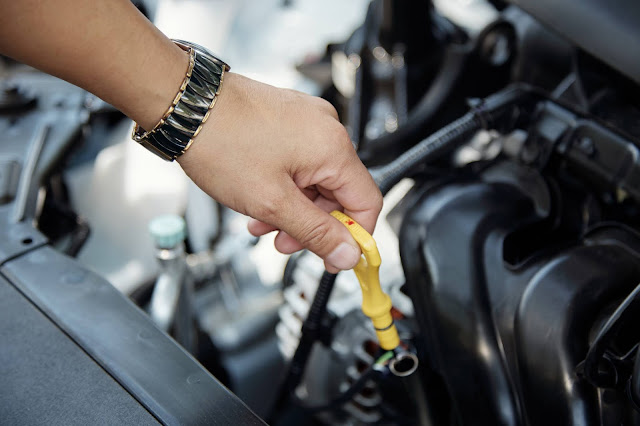
Checking Engine Oil in 6 Easy Steps
Checking engine oil is not a difficult or time-consuming task. The following are the steps for checking your car's oil:
1. Parking Your Vehicle - To begin, park your vehicle on a level surface. This will help you obtain the correct reading. If the engine has been running for a long time, allow 10 to 15 minutes for it to cool down. It will also allow the oil to settle. The dipstick has been recalibrated by most manufacturers to provide an accurate reading regardless of whether the oil is hot or cold.
2. Click open the bonnet- When the engine is turned off, always check the oil. Then, open the vehicle's bonnet and look for the dipstick. It is mostly centred on the engine. It is usually marked with an orange or red plastic tab.
3. Pull Out the Dipstick and Wipe It Clean- After locating the dipstick, remove it. It almost certainly has an oil reading, but it is incorrect. Wipe the oil off the dipstick by using a clean cloth. When checking the oil, always use a dry dipstick to ensure accuracy.
4. Re-insert the dipstick - After the dipstick has dried, place fully back in its slot and pull it back out again. You'll get a reading from it. By looking at it, you can tell how much oil is in it. Wipe the dipstick again and re-insert it to confirm.
The first reading may be inaccurate because vehicle oil can wink or splash upward on the dipstick. Once more, check the oil level on both sides of the dipstick. The indicators on the dipstick will tell you whether the level is low, high, or the recommended amount required for your engine.
5. Check out the Colour and Consistency of the Engine Oil - Before you are going to complete the process, visually inspect the consistency and colour of the oil. This will help you determine whether or not you need to change the oil. If the oil on the stick becomes milky, gritty, thick, or black, it is time to change it.
If the oil is discoloured or the level is low, take action as soon as possible. If the oil is running low, you can refill it or replace it if it has become discoloured. If you're not sure what to do, go to your garage or consult a mechanic when looking online for car service near me.

Outside Temperature
The outside temperature can also have an effect on the reading of your oil check. It is not recommended to check vehicle oil in cold weather, regardless of the type of oil used. When temperatures are too low, start the engine and leave it running for a while. Check the oil after the engine has warmed up.
Classification of Oil
Different types of oils react differently when tested in both hot and cold temperatures. Normal oils contract and expand in the same way. As a result, regardless of the temperature, you can expect nearly identical readings.
Synthetic oils contract and expand at a much faster rate when the temperature changes. They contract during the winter and over-expand during the summer.

Classification of Vehicles
Majority of modern vehicles are equipped with electronic level controllers. When the engine oil is warm and on a level surface, it measures it. In these models, checking the oil while the engine is hot is highly recommended.
Manually checking the oil is not an option because the check is usually electronic. When checking the oil while the engine is hot, it is critical to remember not to get burned by the engine.
Conclusion
You should now know whether to check your engine oil while it is hot or cold. To avoid burning or scalding yourself if you are unfamiliar with vehicles, check the oil when it is cold.
However, because the weather is cold, you must check the oil for accuracy when it is warm. It is best to have your vehicle's oil changed on a regular basis to avoid problems.
Frequently Asked Questions (FAQ's)
What temperature should you check your oil at?
The temperature at which you should check the engine oil is not specified. You can test it whether it's hot or cold, and it'll give you nearly identical results. If you live in a particularly cold climate, however, you must first warm up the oil before checking it.
Running the engine for a few minutes accomplishes this. You can also check the owner's manual for your vehicle to see what they recommend.
How long must a car sit before its oil is changed?
As previously stated, you can test the oil at either warm or cold temperatures and get nearly the same reading. However, if you've been on a long trip or the engine has been running for an extended period of time, you should let the vehicle sit before checking the engine oil.
This is because there is a chance that the oil is unstable and will provide an incorrect reading. Allow the vehicle to cool for 10 to 15 minutes in a flat area. The oil will then be stable and provide an accurate reading.
What Happens If the Oil Level Rises Too High?
Overfilling the oil can damage the engine. Foaming can occur when the oil level is too high, which is dangerous to the engine. The oil may be whipped as the crankshaft spins, causing it to froth. The froth may cause the engine to wear out prematurely.
The maximum and minimum marks on the dipstick indicate where the oil level should be. It should not deviate from the maximum or minimum marks. The oil level should be in the middle of the two marks.
If you are still not sure after reading this we recommend that you consult a car mechanic the next time your car is in the garage for a car service in Reading.


